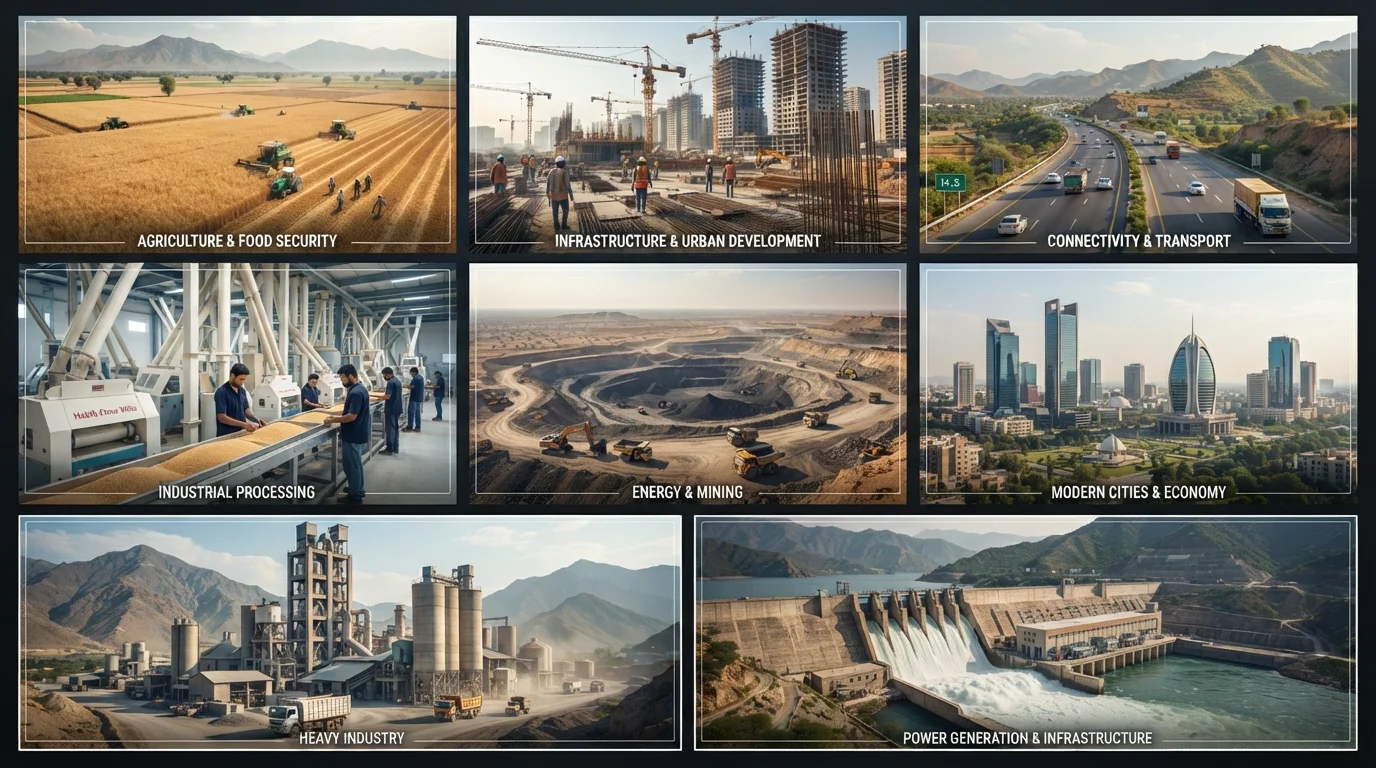
Pakistan stands at a pivotal moment in its development journey. As the nation continues to expand its industrial capabilities, modernize its transportation networks, and strengthen its agricultural sector, innovation and infrastructure have become the cornerstones of sustainable economic growth. From highways and commercial developments to modern farming practices and industrial processing facilities, every sector plays a critical role in shaping a stronger and more prosperous future.
Infrastructure is more than roads, bridges, and buildings—it is the foundation upon which economic activity thrives. When combined with technological innovation, efficient resource management, and strategic investment, infrastructure becomes a powerful catalyst for national progress.
The Importance of Infrastructure in National Development
Infrastructure serves as the backbone of any modern economy. Reliable transportation networks, industrial facilities, agricultural processing plants, and logistics systems enable businesses to operate efficiently and communities to access essential services.
In Pakistan, investments in infrastructure have contributed significantly to:
- Improved connectivity between urban and rural areas
- Increased trade and commercial activity
- Enhanced agricultural productivity
- Job creation and workforce development
- Attraction of domestic and foreign investment
- Strengthened industrial growth
Modern infrastructure reduces operational costs, increases productivity, and creates opportunities for long-term economic expansion.
Agriculture: The Foundation of Economic Strength
Agriculture remains one of Pakistan’s most important economic sectors, supporting millions of livelihoods and contributing substantially to the country’s GDP. As population growth continues to increase demand for food products, modern agricultural practices have become essential for maintaining food security.
Today’s agricultural sector benefits from:
Advanced Farming Techniques
Modern farming methods help improve crop yields while reducing resource consumption. Precision farming, efficient irrigation systems, and improved crop management practices enable farmers to maximize productivity while protecting natural resources.
Quality Wheat Production
Wheat remains one of Pakistan’s most important staple crops. High-quality wheat production supports flour mills, food manufacturers, bakeries, and households nationwide. By adopting modern cultivation methods, farmers can ensure consistent quality and sustainable output.
Sustainable Agricultural Development
Sustainable farming practices promote environmental responsibility while ensuring long-term productivity. Proper soil management, water conservation, and responsible resource utilization contribute to a healthier agricultural ecosystem.
Flour Milling and Food Processing: Adding Value to Agriculture
Agricultural production alone is not enough to support a growing economy. Value-added processing industries play a vital role in transforming raw agricultural products into essential consumer goods.
Modern flour mills contribute by:
- Processing high-quality wheat into flour products
- Ensuring food safety and quality standards
- Supporting local and regional food supply chains
- Creating employment opportunities
- Strengthening food security
Products such as Chakki Atta, Fine Maida, and Suji remain essential ingredients in households and commercial food production facilities across Pakistan.
Mining and Aggregate Supply: Supporting Infrastructure Growth
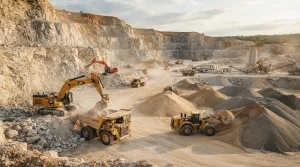
Every major infrastructure project depends on reliable construction materials. Mining operations provide the essential resources required for roads, bridges, commercial buildings, housing developments, and industrial facilities.
The Role of Sand and Limestone
Construction sand and limestone are critical components in modern construction projects. These materials contribute to:
- Concrete production
- Road construction
- Building foundations
- Commercial developments
- Public infrastructure projects
Reliable aggregate suppliers help ensure construction projects maintain quality, durability, and efficiency.
Supporting National Development
As Pakistan continues investing in transportation networks and urban expansion, demand for quality aggregates continues to grow. Sustainable mining practices help balance economic development with environmental responsibility.
Construction: Building Communities and Opportunities
The construction sector remains one of the largest contributors to economic activity and employment generation. From residential housing projects to industrial facilities and public infrastructure, construction drives progress in nearly every sector.
Residential Development
Modern housing projects improve living standards and accommodate growing populations. Well-planned residential communities contribute to social and economic stability.
Commercial and Industrial Projects
Commercial developments, warehouses, manufacturing facilities, and industrial parks create opportunities for business growth while strengthening local economies.
Infrastructure Projects
Roads, highways, bridges, and public facilities enhance connectivity and improve access to essential services. These projects create lasting benefits for businesses and communities alike.
Heavy Machinery: Powering Progress
Behind every successful mining operation, construction project, and infrastructure development is a fleet of reliable heavy machinery.
Modern equipment such as:
- Excavators
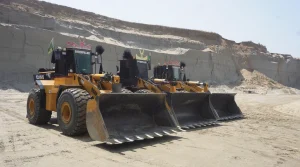
- Wheel Loaders
- Bulldozers
- Dump Trucks
- Material Handling Equipment
helps improve efficiency, reduce project timelines, and ensure safe operations.
Heavy machinery leasing and logistics services provide businesses with access to advanced equipment without the significant capital investment required for ownership.
Logistics and Supply Chain Management
Infrastructure development extends beyond construction. Efficient logistics systems ensure that materials, equipment, and products reach their destinations safely and on time.
Strong logistics networks support:
- Agricultural supply chains
- Mining operations
- Construction projects
- Industrial manufacturing
- Regional trade
By optimizing transportation and material handling processes, businesses can reduce costs and improve overall productivity.
Innovation as a Driver of Sustainable Growth
Innovation is no longer optional—it is essential for long-term competitiveness. Organizations that embrace new technologies, modern equipment, and efficient operational practices are better positioned to meet future challenges.
Key areas of innovation include:
Digital Transformation
Technology improves planning, monitoring, and resource management across industries.
Modern Equipment
Advanced machinery increases productivity while reducing operational risks.
Sustainable Practices
Environmentally responsible operations help preserve resources for future generations.
Workforce Development
Training and skill development programs empower employees to contribute effectively to economic growth.
The Future of Pakistan’s Development
Pakistan’s future depends on continued investment in infrastructure, agriculture, industry, and innovation. By strengthening these interconnected sectors, the country can unlock new opportunities for economic growth, employment, and social development.
Organizations involved in agriculture, food processing, mining, construction, logistics, and heavy equipment services play a crucial role in this transformation. Their contributions help build stronger communities, improve quality of life, and create the foundation for a more prosperous future.